Not dry to the touch
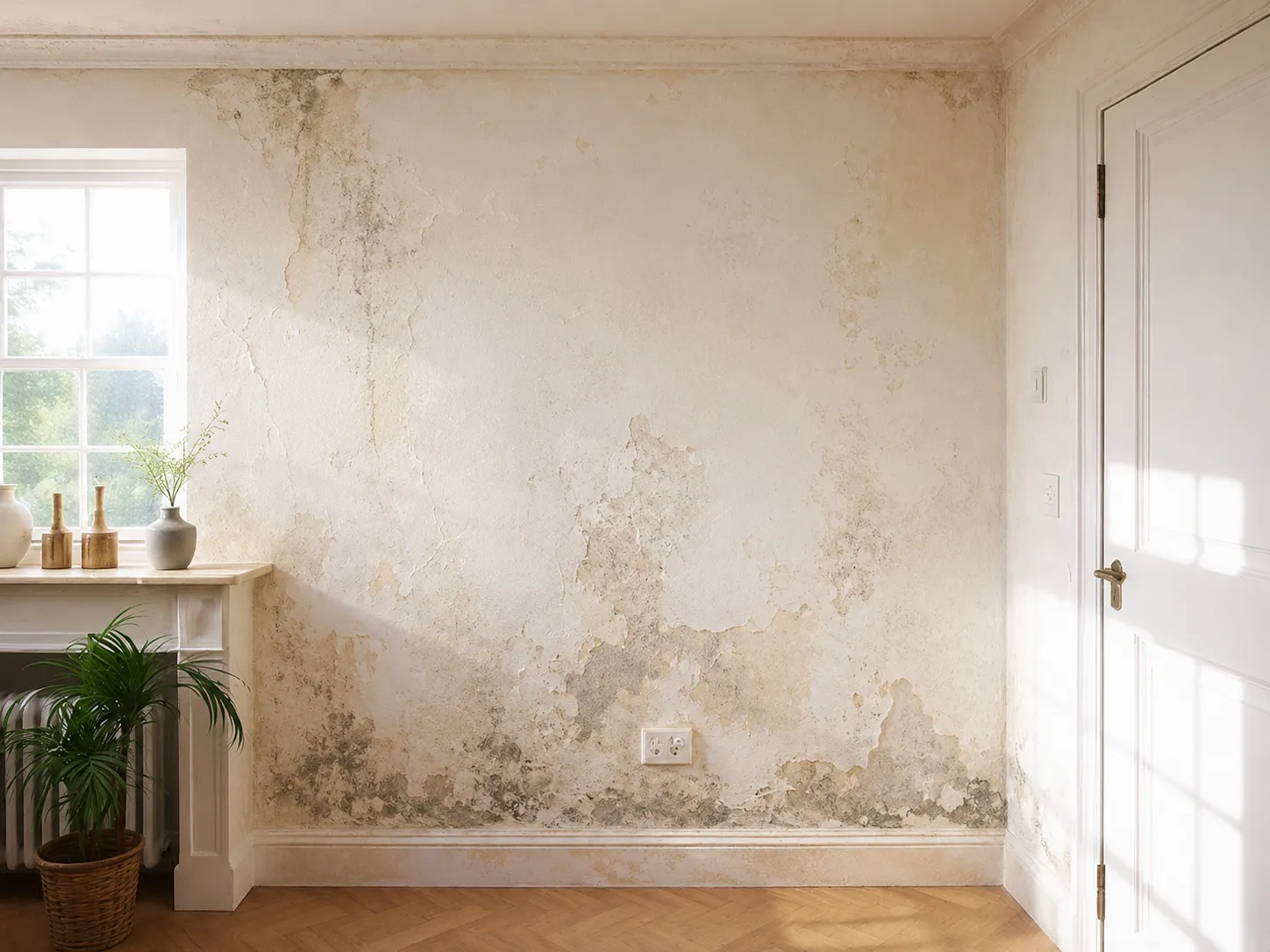
A wall, floor or ceiling that feels genuinely damp rather than simply cool — often with paint lifting, wallpaper bubbling or plaster crumbling behind it.

Damp, mould and defects
Damp can be described as ‘excess moisture that should not be there’. This guide explains which symptoms are worth investigating, the three different ways moisture moves through or onto a building, and the defects that let it in — including why a diagnosis of ‘rising damp’ is so rarely the answer.
When to investigate
A wall, floor or ceiling that feels genuinely damp rather than simply cool — often with paint lifting, wallpaper bubbling or plaster crumbling behind it.
Black or green spotting in corners, on window reveals, across ceilings, or behind furniture pushed up against an outside wall.
An earthy, cellar-like smell that comes back a few hours after the room has been aired and shut up again.
Different forms
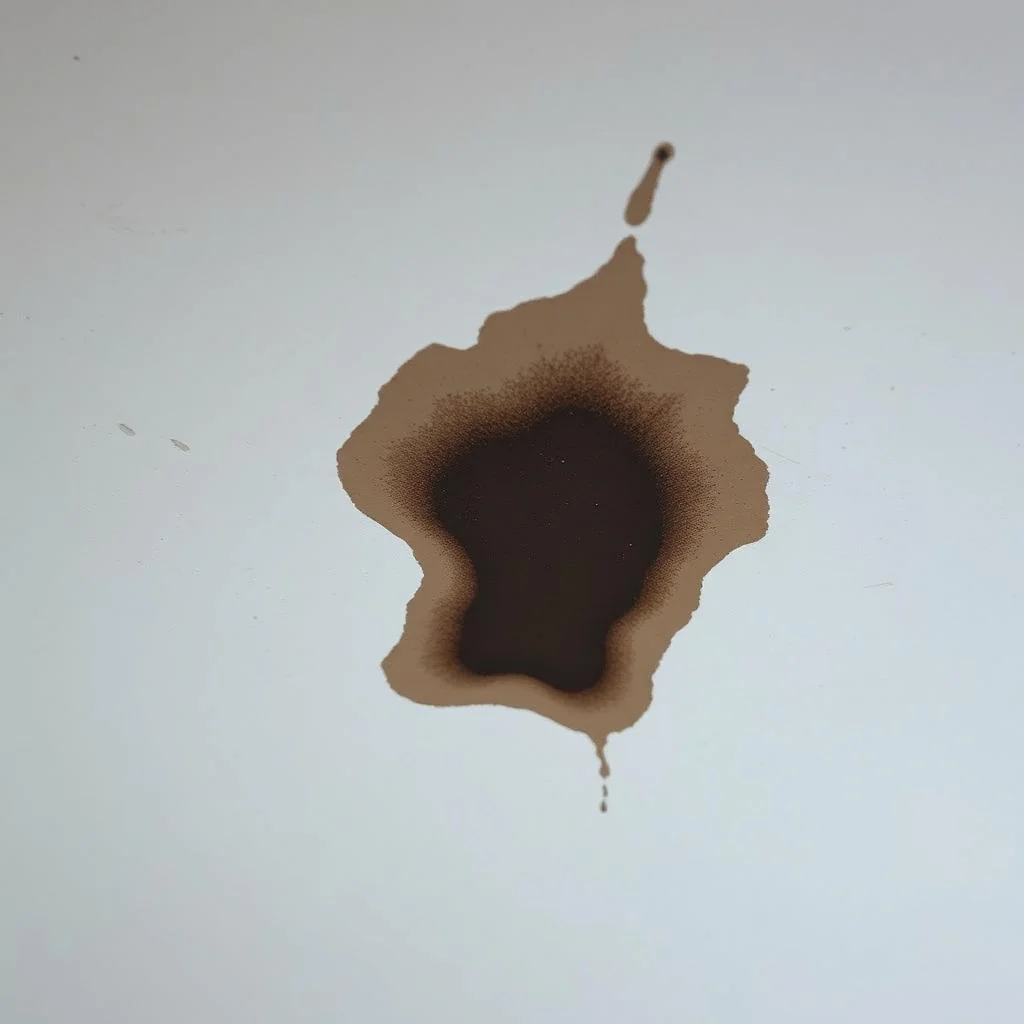
Water passing horizontally into the building from outside — through the roof, the walls, the windows or the doors. It usually follows the weather, showing up during or shortly after driving rain and fading between spells.
The moisture is arriving through a defect in the fabric, so the useful question is always which defect, and where.
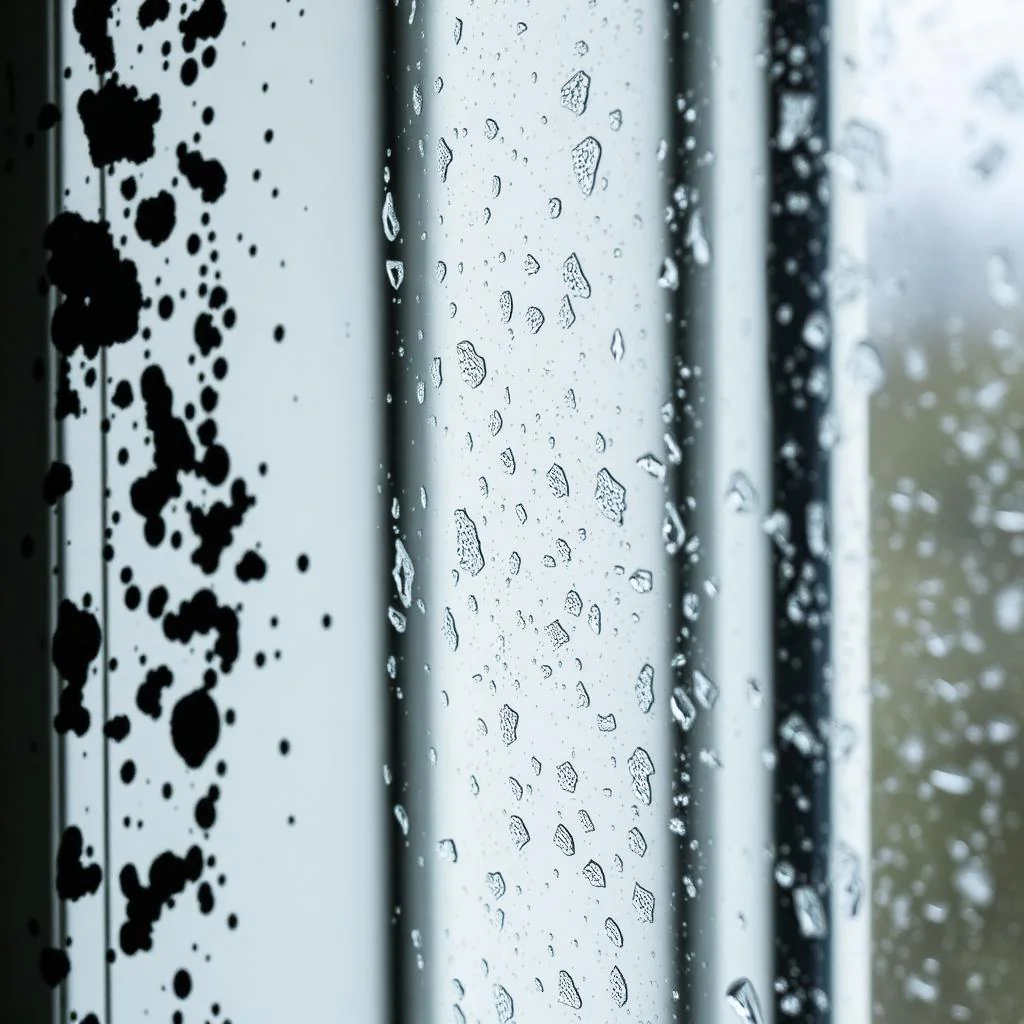
Water vapour produced inside the home settling as liquid water on surfaces that are colder than the air around them — windows, external wall corners, cold spots behind furniture and the coldest parts of a ceiling.
Here the water is generated indoors rather than getting in from outside, so the balance of moisture production, ventilation, heating and surface temperature is what decides whether it appears.
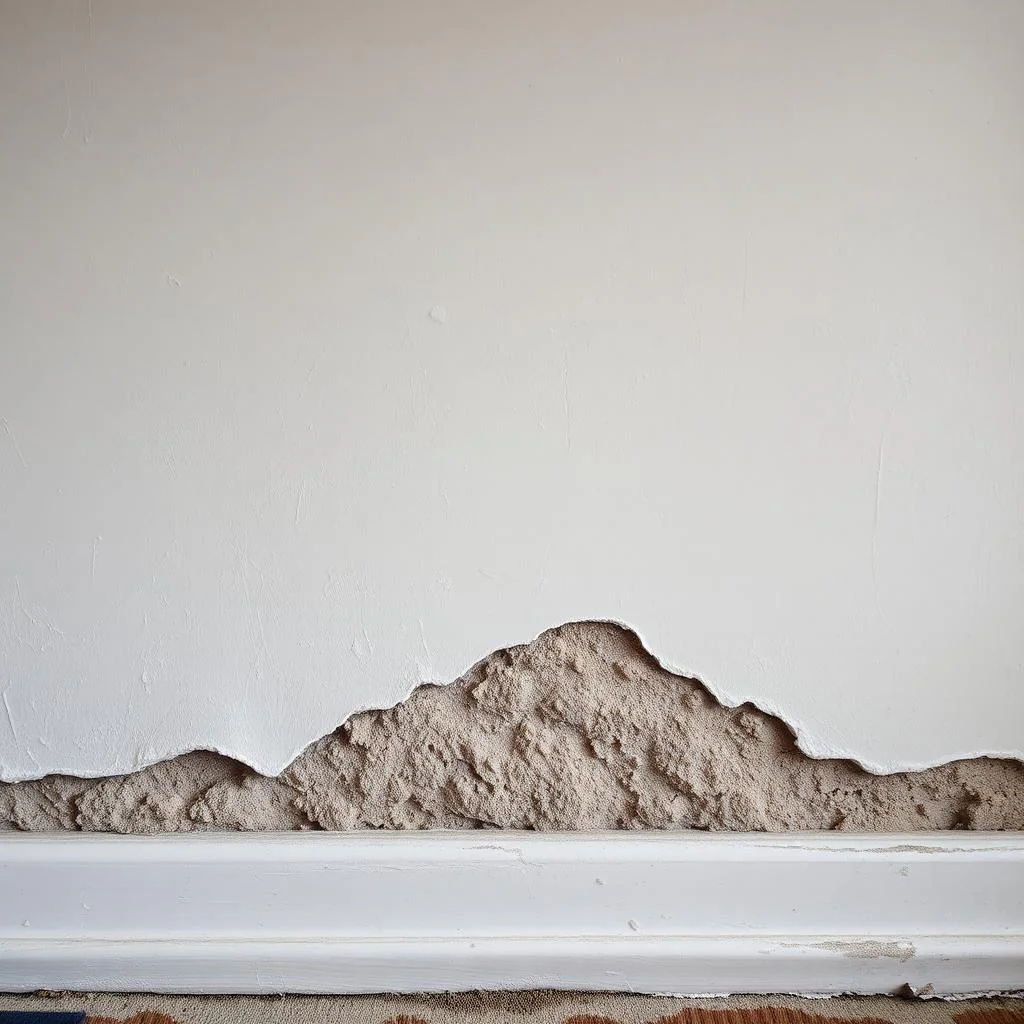
A term often misused to describe moisture that has moved vertically upwards from the ground below by capillary action or suction — like a sponge sitting in a puddle, slowly soaking up water through the tiny holes inside it.
It is often misdiagnosed. A typical misdiagnosis would be that ‘rising damp’ is the cause of your problem and that your home needs a new damp-proof course.
Penetrating damp, ‘rising damp’ and condensation are not causes of damp but are different ways moisture moves through, or onto, parts of a building. To solve a damp problem, you first need to find where the moisture is coming from.
What causes damp?
Seeking professional help
Where the cause is not obvious, contact a specialist building surveyor and ask for an investigation compliant with the Joint Position Statement on investigating moisture in traditional buildings (JPS 2022).
A free damp inspection offered by a company that also sells the treatment is a quotation, not a diagnosis. Independent means the person inspecting has nothing to gain from the remedy.
A report that stops at penetrating damp, condensation or rising damp has described the route the water took. It should go on to say where the water is coming from and what to do about it.
Before you call
Common questions
Damp can be described as excess moisture that should not be there. If any part of your home is not dry to the touch, has mould growth or has a musty smell, you should investigate. Damp comes from many sources and takes different forms.
‘Rising damp’ is a term often misused to describe moisture that has moved vertically upwards from the ground below by capillary action or suction, like a sponge sitting in a puddle slowly soaking up water through the tiny holes inside it. It is often misdiagnosed — a typical misdiagnosis would be that ‘rising damp’ is the cause of your problem and that your home needs a new damp-proof course. It is not a conclusion, because it does not identify the source of the excess moisture, and failure of an original damp-proof course is extremely rare.
No. Penetrating damp, ‘rising damp’ and condensation are not causes of damp but are different ways moisture moves through, or onto, parts of a building. To solve a damp problem, you first need to find where the moisture is coming from.
Common causes include leaking or blocked gutters and rainwater pipes, ill-fitting doors and windows, roofing defects such as poor flashings and broken tiles, open chimney pots, poor external pointing, cracked render, raised ground levels next to walls, excess rubble under suspended ground floors, failed underground drainage, leaking water main supply pipes, bridged cavity walls, blocked low-level through-wall vents, broken sealant or mortar around windows and doors, internal plumbing leaks, flooding and a high local water table.
Yes, up to a point. Anyone can investigate and look for problems — for example, you could go outside in the rain and see whether your gutters are overflowing. If something doesn’t look right, it usually isn’t right. Finding the cause can be complex, though, so where it matters it is best to contact a specialist building surveyor and ask for a Joint Position Statement (JPS 2022)-compliant survey.
Rarely. Failure of an original damp-proof course is extremely rare, and a new damp-proof course is one of the most commonly prescribed remedies for a problem that was never diagnosed. Find the source of the moisture first, and seek independent advice from someone who does not sell the treatment.
Independent by design
We are consultants, not contractors, so we have nothing to gain from recommending a damp-proof course, a re-render or a treatment. We measure moisture, temperature and airflow together to establish where the water is actually coming from.
Keep reading
Common questions
Damp, mould, structural cracks, roof repair costs, new-build snags and choosing the right survey — thirteen questions in one place.
Read MoreMaintaining your property
What causes ground movement, how to tell subsidence from settlement, and the maintenance that reduces risk.
Read MoreEnergy efficiency
Where heat escapes, which insulation measures repay the outlay, and indicative costs and annual savings.
Read More