Solid walls
Most homes built before about 1920 have solid walls with no cavity. They hold more moisture than modern walls and rely on letting it evaporate away, rather than keeping it out completely.

Moving Home
A period property is a home built in a recognised historic era, usually before 1914: mainly Georgian, Victorian and Edwardian. They are built differently from modern homes, with solid walls, lime mortar and timber floors, so they need different care, and their defects are easy to misread. Here is what to know before you buy one.
The main eras
| Era | Dates | How to recognise it |
|---|---|---|
| Georgian | 1714–1837 | Symmetrical fronts, tall sash windows, brick or stucco, often in terraces and squares. |
| Victorian | 1837–1901 | Bay windows, decorative brickwork, slate roofs and long terraces built for a growing urban population. |
| Edwardian | 1901–1910, often stretched to 1914 | Wider, lighter houses with red brick, gables, mock-Tudor details and bigger gardens. |
Older homes from the Tudor and Stuart periods survive in smaller numbers, and some agents also describe 1920s and 1930s houses as period homes.
How they are built
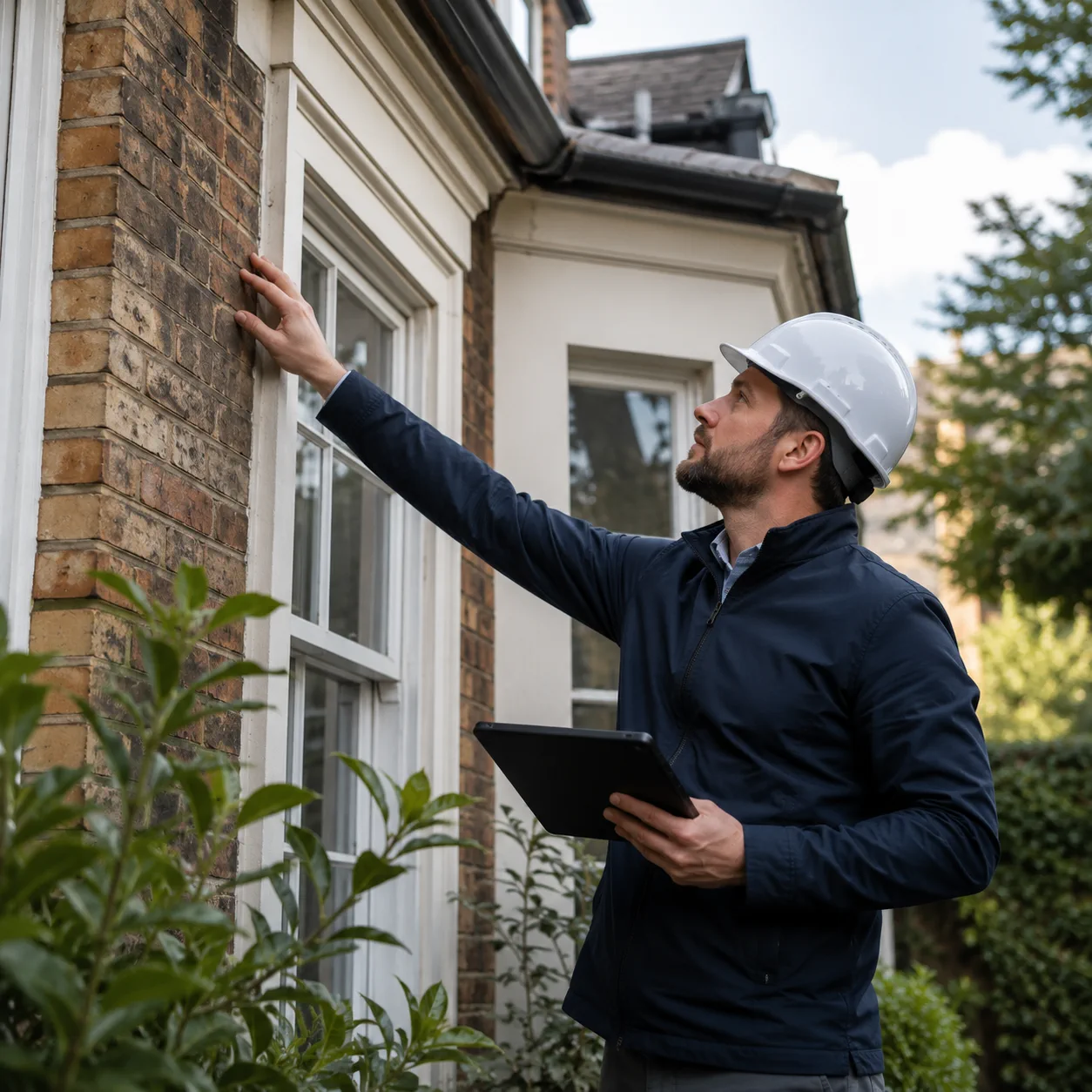
Most homes built before about 1920 have solid walls with no cavity. They hold more moisture than modern walls and rely on letting it evaporate away, rather than keeping it out completely.
Lime mortar, lime plaster and limewash let walls dry out. Cement pointing, cement render and plastic paints added later trap moisture, and are behind much of the damp we find in period homes.
Suspended timber floors, timber lintels and shallow footings were standard. They work well when kept dry and ventilated, and badly when air bricks are blocked or nearby trees dry out clay soil.
What surveyors find
Period homes are frequently sold remedies they do not need, such as chemical damp-proof courses. The usual causes are simpler: leaking gutters, raised ground levels against the wall, blocked air bricks or cement pointing that stops the wall drying.
Old slate roofs fail as the fixing nails corrode, so slates slip one by one. Chimneys may lean, have loose pots or failing flashings, and unused flues that are not capped and ventilated can bring damp into the rooms below.
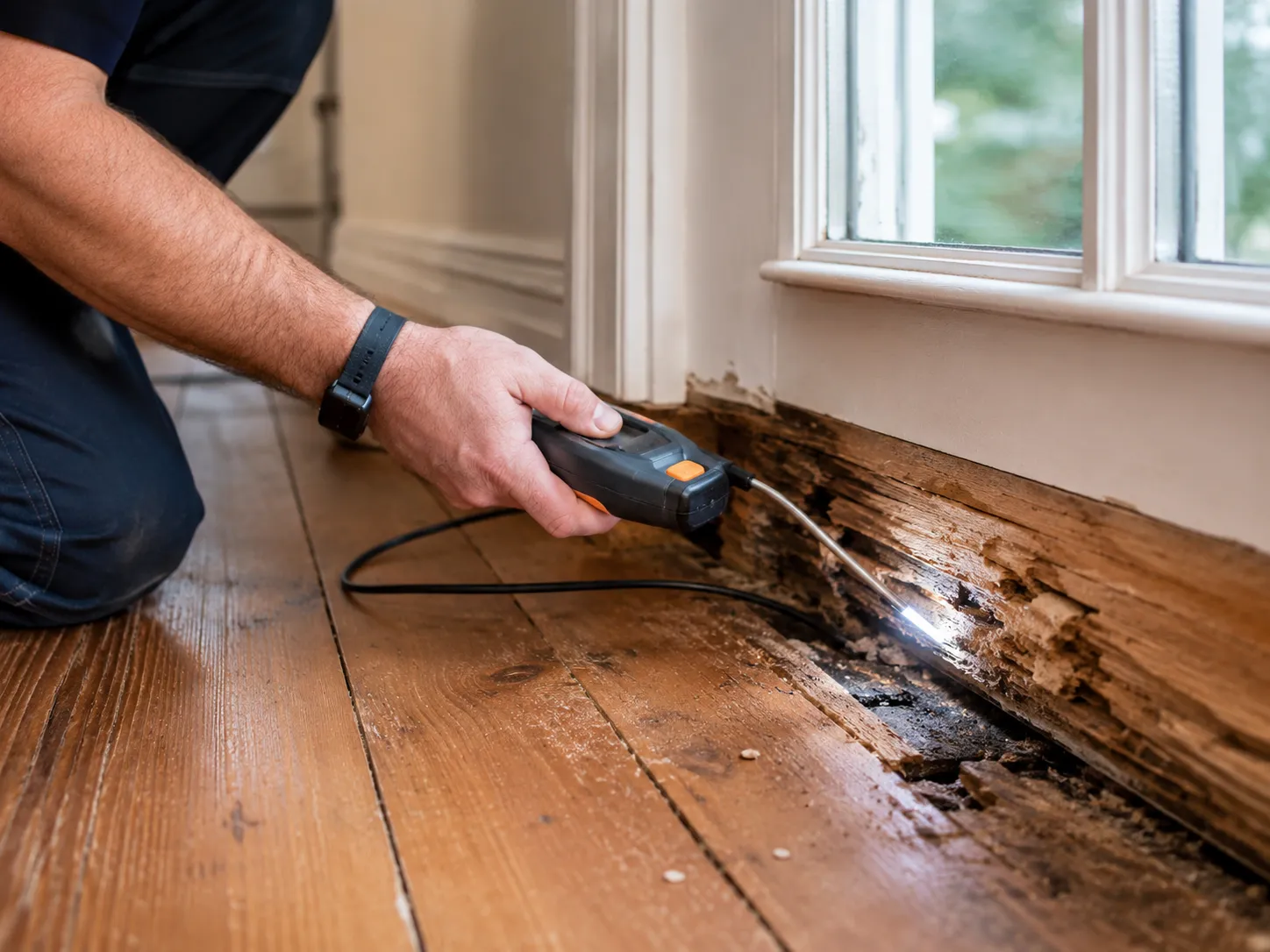
Wet rot, and occasionally dry rot, can attack floors, skirtings, window frames and roof timbers wherever water gets in. Woodworm is often old and inactive, but needs checking.
Some historic movement is normal in an old house and may have stopped long ago. Bay windows pulling away, cracks wider at the top than the bottom, or movement near large trees need a closer look.
Old wiring, lead water supply pipes in older homes, and tired heating systems are common. They are rarely visible on a viewing and can be expensive to upgrade properly.
Removed chimney breasts, knocked-through rooms and loft conversions done decades ago are not always supported properly. Ask for the paperwork, and have the structure checked if it is missing.
For more on damp in older buildings, see what causes damp and how to prevent subsidence.
Pros and cons
Before you buy
Listed building consent is needed for works that affect a listed home's character, inside or out, and doing them without consent is a criminal offence. Ask your conveyancer to check the listing and whether past works were approved.
Which survey
Common questions
A period property is a home built in a recognised historic architectural era, usually before the First World War: mainly Georgian (1714–1837), Victorian (1837–1901) and Edwardian (1901–1910, often taken to 1914). There is no legal definition, and some agents also use the term for homes from the 1920s and 1930s.
A Building Survey (Level 3) in most cases. Period homes are built differently from modern ones, have often been altered, and can hide defects that need explaining in detail. A Home Buyer Survey (Level 2) may suit a well-maintained Edwardian or later home in good condition.
Usually not, if they are in reasonable condition. Listed buildings, thatched roofs and non-standard construction can narrow the choice of insurers and lenders, so mention them early.
Yes, but with care. Solid walls need to stay breathable, so insulation should let moisture escape. The wrong materials can cause damp and rot. Loft insulation, draught-proofing and secondary glazing are usually the safest starting points.
A listed building is protected for its historic interest. You need listed building consent for works that affect its character, inside or out, and carrying out such works without consent is a criminal offence. Planning rules are also tighter in conservation areas.
Not necessarily. Many period homes were built without one, or with an early form that still works. Most damp in old houses comes from rain, ground levels or trapped moisture, so diagnose the cause before paying for treatment.
Next step
Tell us the age, construction and anything that worried you on the viewing. We will recommend the right level of survey and explain what we find in plain English.
Keep reading
Moving Home
How a HomeBuyer Report (Level 2) compares with a building survey (Level 3), and which suits your property.
Read MoreCommon questions
What damp actually is, where the moisture comes from, and which symptoms need investigating.
Read MoreMaintaining your property
Ponding, splits, failed flashings and rotten decks: how to spot them, how long coverings last, and repair or replace.
Read More