Residential surveyors
Houses and flats. They carry out Level 2 and 3 home surveys and residential valuations, and they are the people most buyers deal with during a purchase.

Moving Home
Whether you are buying or selling a home, the person responsible for making sure a house is structurally sound is a surveyor who specialises in property surveys. But what exactly do property surveyors do? Below we set out their key responsibilities, how they carry them out, and what that means for you as a potential buyer or seller.
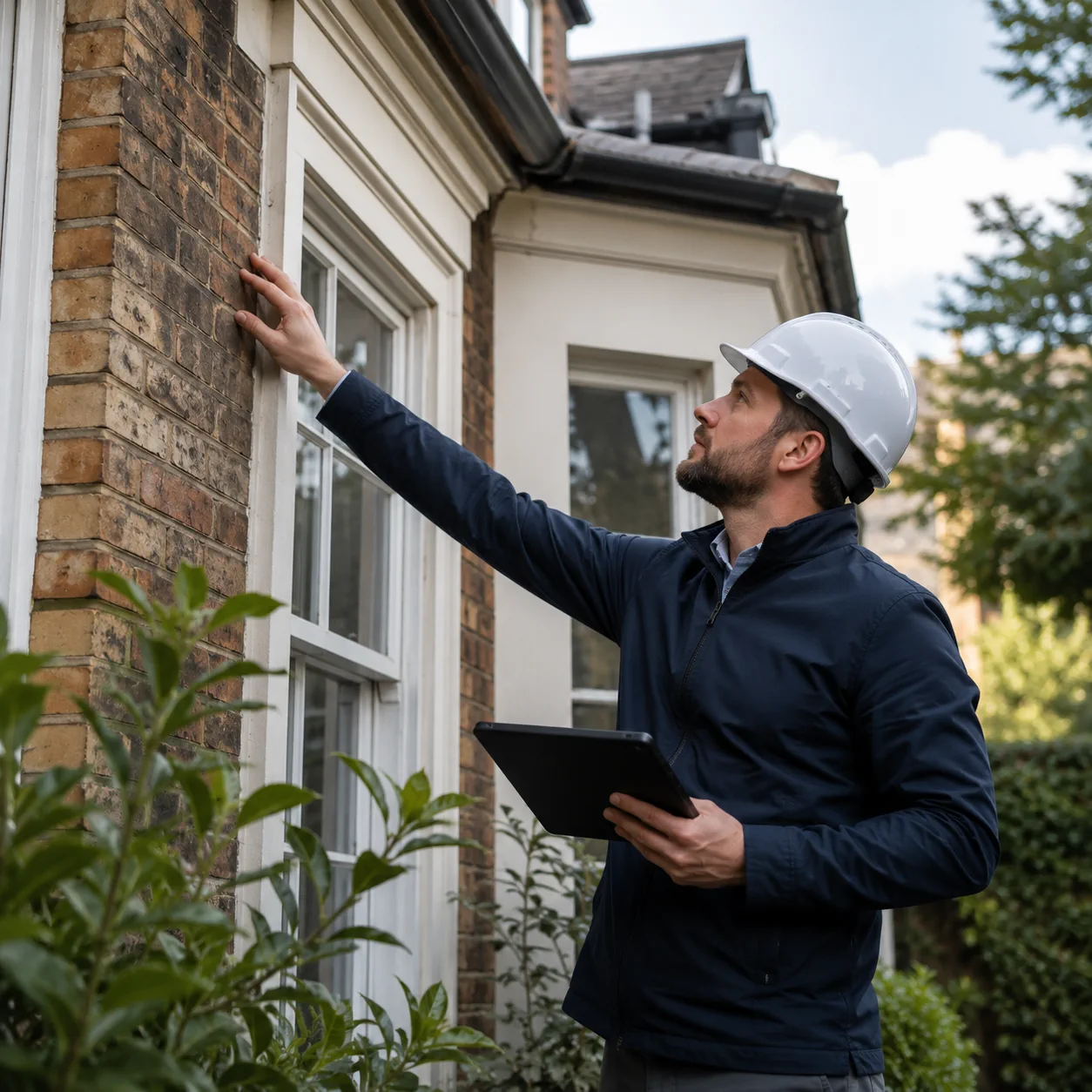
What is a surveyor?
The role
A surveyor establishes the condition of a building and explains what that condition means for the person paying for the advice — a buyer, a seller, a landlord, a business or a lender.
Different Levels
Surveys run in different levels, each a different depth of inspection and report. Matching the level to the age, condition and complexity of the property is the decision that matters most.
Types of surveyor
Houses and flats. They carry out Level 2 and 3 home surveys and residential valuations, and they are the people most buyers deal with during a purchase.
Offices, retail units, warehousing and industrial premises. Their work covers market valuation, condition assessment and advice on how a building could be used, let or redeveloped.
Condition and defects, across residential, commercial and historic buildings. They diagnose what has gone wrong, judge how serious it is and set out the repair and maintenance the building needs.
A Measured / Architecture Survey records a building or site’s existing layout, dimensions and visible features, creating the measured information needed for floor plans, elevations, sections, site plans and as-built drawings.
What they do
The inspection works through the fabric of the building in sequence: roof covering and structure, external walls, windows and doors, then internally through ceilings, walls and floors. Services — heating, plumbing and the visible electrical installation — are inspected visually rather than tested. Garages and outbuildings that form part of the property are included.
Anyone can photograph a crack. The value is in the diagnosis: whether the movement is historic or progressing, whether the damp is rising, penetrating or condensation, whether the roof issue is a slipped tile or a failing structure. That distinction is what decides how urgent the repair is and what it will cost.
Findings are graded so you can see what needs attention now, what can be planned for and what is simply normal for a building of that age. Depending on the level of survey, the report may also indicate likely repair costs — enough for you to budget and, where relevant, to reopen the price.
The written report is the deliverable. It records what was inspected and what was not, sets out the condition of each element, flags anything urgent or safety-related, and identifies where a specialist investigation is needed before you commit.
A market valuation can be provided alongside Level 2 or 3 survey. It draws on the condition observed and on comparable local evidence, and where the condition is worse than the asking price assumes, it gives you a documented basis for renegotiating.

What they look for
The structural questions a surveyor is trying to answer:
Moisture gets close attention because it affects both the health of the occupants and the fabric of the building. The point is to identify the mechanism, since the three common causes need entirely different remedies:
The land the property sits on and what is next to it carry as much risk as the building. A surveyor looks at:
Some findings matter because someone could be hurt before the repair is ever budgeted for:
Common questions
A surveyor is a property professional who establishes the condition or the value of a building and advises the client on what that means. Most specialise — residential, commercial, building, quantity or valuation work — and a chartered surveyor is additionally regulated by a recognised industry body.
The main specialisms are residential, commercial, building, quantity and valuation surveying. They overlap, so the practical approach is to start from the decision you are making — buying a home, pricing building work, letting a commercial unit, settling a valuation — and choose the specialism that matches it.
Structural movement and cracking, roof deflection, damp in its three forms, timber decay, defective rainwater goods, failed pointing and render, and safety hazards such as inadequate stair guarding or non-safety glazing. The aim is to identify the cause, not simply record the symptom.
Yes, and it receives close attention because it affects both occupant health and the building fabric. The important part is identifying the mechanism — rising, penetrating or condensation — because each has a different cause and a different remedy, and treating the wrong one wastes money.
Defects are graded for severity and urgency, and depending on the level of survey the report may indicate likely repair costs. That is usually enough to budget realistically and, where the condition is worse than the asking price assumes, to reopen the negotiation with evidence.
A survey reports on condition and is commissioned by you. A valuation reports on worth and, where a lender instructs it, is commissioned for the lender. A valuation can be provided alongside a Level 2 or 3 survey, but it is not a substitute for one.
Any questions?
Our surveys are carried out by Professionally qualified surveyors and give buyers and owners a clear picture of a property's condition. Findings help you budget realistically, prioritise the repairs that matter, and negotiate with the facts in front of you.
Keep reading
Moving Home
Whether a survey is compulsory, what a lender's valuation leaves out, and when each survey level makes sense.
Read MoreMoving Home
How a HomeBuyer/Level 2 surveys compares with a Building/Level 3 surveys, and which suits your property.
Read MoreMoving Home
Typical time on site, how long the report takes to arrive, and what makes an inspection run longer.
Read More