Around windows
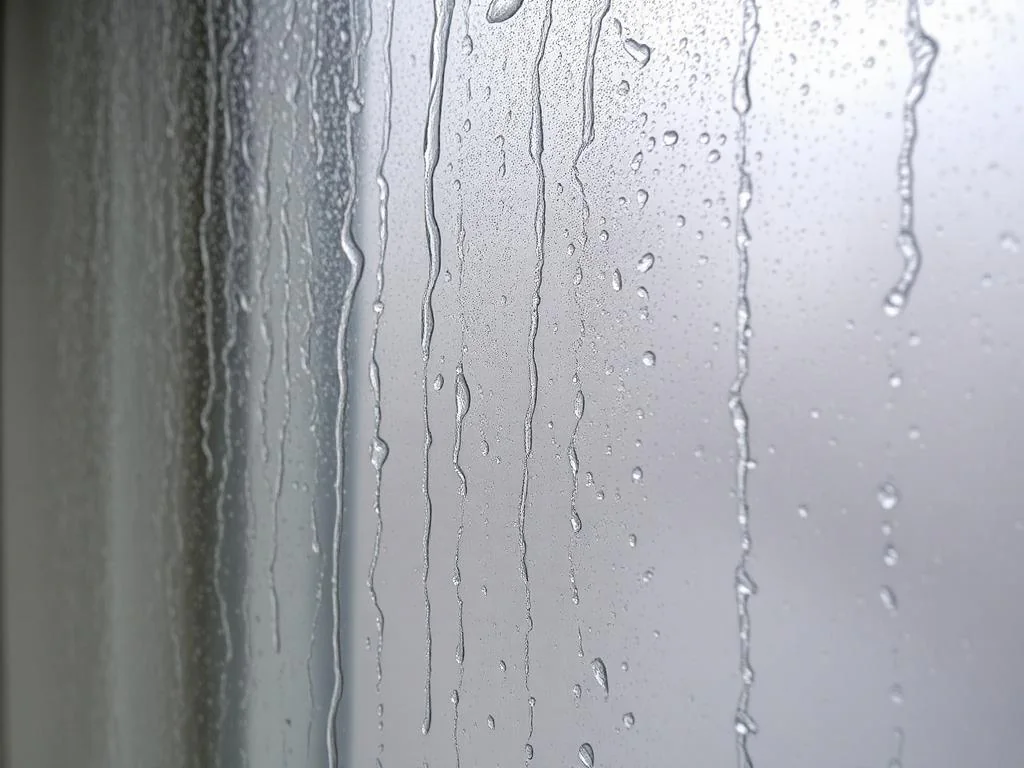
Glass and frames are usually the coldest surfaces in a room, so they are where water vapour turns to liquid first — and where mould appears on reveals, sills and sealant.

Damp and mould
When indoor temperatures drop or humidity is high, water vapour in the air turns into liquid droplets on the coldest surfaces in a room. That is condensation — and where it is left to sit, mould growth follows. This guide explains where the moisture comes from, what makes it worse, and the practical steps that reduce it.
What causes condensation?
Glass and frames are usually the coldest surfaces in a room, so they are where water vapour turns to liquid first — and where mould appears on reveals, sills and sealant.
External walls sit colder than internal ones, particularly behind furniture, in corners and on north-facing elevations where the surface never really warms up.
The junction between ceiling and external wall is a cold path through the fabric, so condensation and mould collect along that line before anywhere else in the room.
What makes it worse
A single wash load releases litres of water into the air as it dries, and drying it indoors puts all of that moisture into the rooms you live in.
Not closing doors, or not opening a window, during cooking and bathing or showering lets moisture spread from the room that produced it into colder rooms elsewhere.
An uncovered pan puts steam straight into the room. A lid keeps most of that water in the pan rather than on your walls and windows.
Incorrectly vented tumble dryers and recirculating-only cooker hoods direct the moisture back inside the home rather than outside it.
Especially in bathrooms and kitchens, where the moisture is produced fastest and has the least opportunity to escape.
Cold surfaces are what the water vapour condenses onto. An under-heated home has more of them, so the same amount of moisture causes far more condensation.
People produce moisture simply by being there, so the more people living in a home, the more moisture is produced within it.
How do I minimise condensation?
01
Finding the source requires a methodical approach over time, and you may need professional help to do it. Until the source is known, the remedy is guesswork.
02
Condensation is not always the whole story. A leak, a failed gutter, a defective roof covering or penetrating damp adds moisture that no amount of ventilation will remove, so building defects need putting right first.
03
This is especially important after cooking, bathing, showering or drying clothes.
04
Ventilation only helps if it can cope with the peak periods: cooking, washing, bathing, showering and drying clothes indoors.
05
Containing the moisture in the room that produced it, and giving it a route straight outside, stops it reaching colder rooms where it will condense.
06
One of the simplest changes available, and it removes a significant share of the water vapour a kitchen produces.
07
Keep your home well ventilated and maintain internal heat levels, ideally between 18°C and 21°C. This reduces the likelihood of condensation and mould spores forming.
08
If you own your home, you can address heat loss by upgrading your windows — particularly from single glazing to double, triple or secondary glazing. Remember that this does not address the source or the amount of moisture in your home, and modern windows have tighter air seals than older draughty ones, so you may also need to increase ventilation.
09
Wipe it off daily with a dry cloth or sponge around cooler places, such as window areas and tiled wall surfaces in bathrooms and kitchens. This helps prevent mould growth.
For those struggling to pay heating bills, there is advice from various platforms to heat the person, not the home. However, not heating your home adequately can contribute to condensation and mould issues. If you can only heat yourself, remember that your home still needs ventilation.
Report any concerns to your landlord or managing agent, and keep a dated record of what you have reported along with photographs of the affected areas.
Where a surveyor helps
Condensation, penetrating damp, rising damp, a plumbing leak and bridged construction can all leave a similar-looking patch. Establishing which one you have decides everything that follows.
Thermal imaging shows the cold spots, thermal bridges and missing insulation that decide where in a room the moisture will condense first.
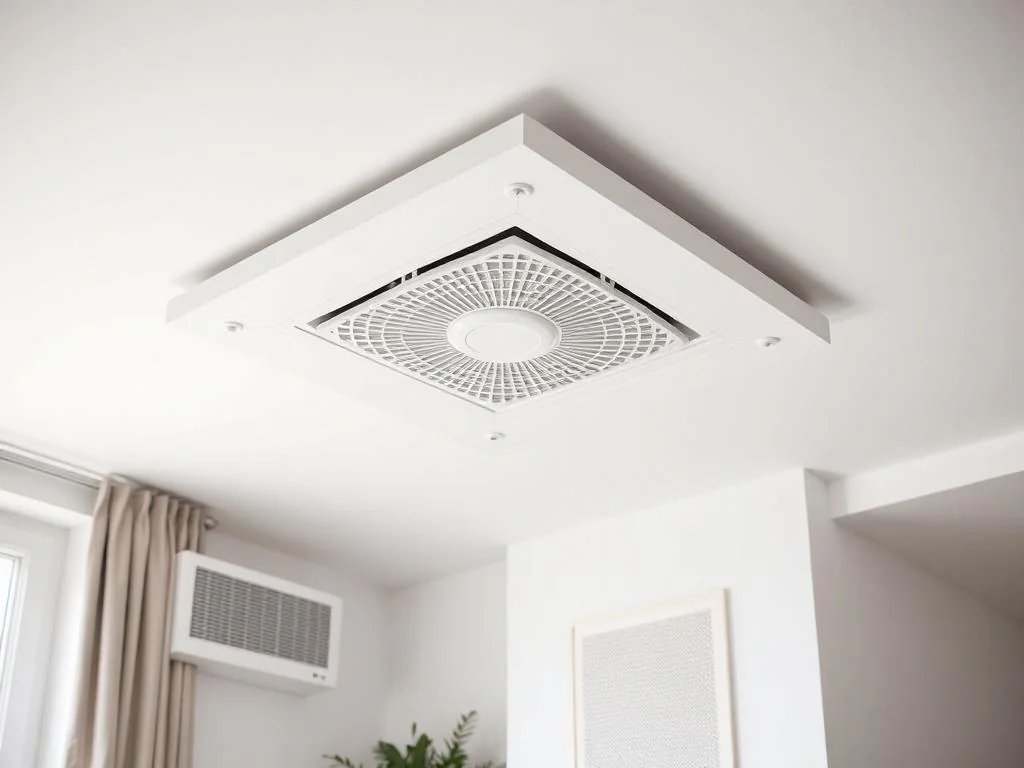
We measure extract rates and airflow rather than assuming a fan works because it makes a noise, and check that dryers and hoods actually vent outside.
We are consultants, not contractors, and we do not sell ventilation systems, treatments or remedial work. The recommendation reflects what the building needs.
Common questions
When indoor temperatures drop or humidity is high, water vapour in the air turns into liquid droplets on the coldest surfaces in a room. That is condensation, and it is most commonly seen on windows, walls and other cold surfaces. Left on those surfaces, it allows mould growth to form over time.
Typically around windows, on external walls and on ceilings close to external walls. Those are the coldest surfaces in a room, which is why moisture settles there first — often behind furniture and in corners where air movement is poorest.
Drying clothes over radiators, cooking without lids on pans, not closing kitchen and bathroom doors or opening windows during cooking and bathing, incorrectly vented tumble dryers and recirculating-only cooker hoods, poor ventilation in bathrooms and kitchens, not heating the home sufficiently, and overcrowding — people themselves produce moisture, so the more people in a home the more moisture is produced.
Windows do not need to be open all the time. About 5 minutes for every hour you are in a room is enough, or you can allow a small amount of continuous ventilation through trickle vents on modern windows or a secure window latch. When humidity outside is high, opening windows may not help, so extractor fans should be used as well — and always while cooking, bathing or showering.
Ideally between 18°C and 21°C, alongside good ventilation. That reduces the likelihood of condensation and mould spores forming. Internal temperatures below 18°C may impact the health of pre-school-aged children, the elderly and those with existing health conditions.
Not on their own. Upgrading from single glazing to double, triple or secondary glazing addresses heat loss and cold surfaces, but it does not address the source or amount of moisture in your home. Modern windows also have tighter air seals than older draughty ones, so ventilation usually needs increasing at the same time.
Report any concerns to your landlord or managing agent. Alongside that, the day-to-day measures still help: ventilate while cooking and bathing, keep those doors closed, avoid drying clothes on radiators where you can, and wipe up condensation as it appears.
Find the source
We measure moisture, temperature and airflow together, so you find out whether you are dealing with condensation, a defect or a leak — before spending on a remedy that does not fit the cause.
Keep reading
Common questions
Damp, mould, structural cracks, roof repair costs, new-build snags and choosing the right survey — thirteen questions in one place.
Read MoreEnergy efficiency
Where heat escapes, which insulation measures repay the outlay, and indicative costs and annual savings.
Read MoreEnergy efficiency
What retrofit covers, the fabric-first order of work, and the moisture risks to plan for before spending.
Read More