Thousands of species, a few of them serious
There are thousands of different mould species found in the home. The most serious are those that release mycotoxins.

Damp and mould
The term mould describes fungi that thrive in damp conditions. This guide explains what mould is, why some species carry a real health risk, how to remove it safely, and why the source of the moisture has to be found before any treatment is worth paying for.
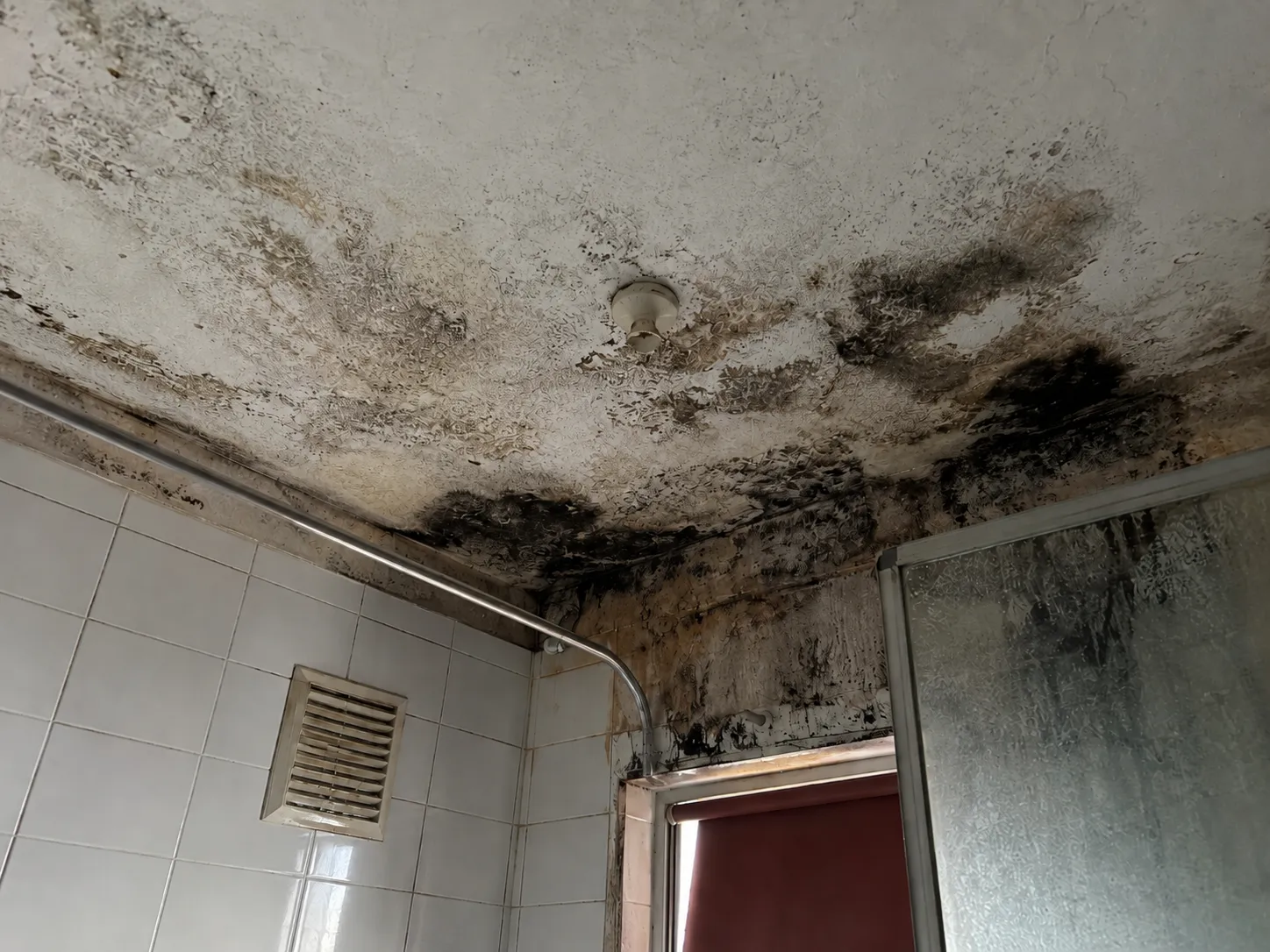
What is mould?
There are thousands of different mould species found in the home. The most serious are those that release mycotoxins.
They can be inhaled, eaten or absorbed directly through the skin, which is why mould is treated as a health issue and not only a decorating one.
Mycotoxins can lead to poisoning, and in the long term can cause certain cancers and immunosuppression-related illnesses.
Asthma and other severe respiratory conditions can also be triggered by mould growth in the home.
How do I control and remove mould growth?
01
This is the first step, and it is the one that decides whether the mould comes back. Mould treatments can only address the symptoms of dampness, not the underlying causes.
02
The underlying causes need to be properly understood, and often require an independent chartered building surveyor who specialises in building pathology to investigate.
03
It is essential to remove mould in your home promptly and daily to reduce health risks. Left in place, the exposure continues even while the moisture problem is being sorted out.
04
For hard surfaces, use mould and mildew cleaning products — which are more effective and safer than bleach — and leave them to dry completely.
Cleaning safely
Gloves, a mask and goggles. Mould removal itself presents a health risk, so treat it as a job that needs protection rather than a quick wipe down.
Shut the doors so spores do not spread through the rest of the home, and keep the windows open so the room you are working in stays ventilated.
Goggles and a mask matter most where you are cleaning above head height, such as ceilings and the tops of walls, where debris falls towards you.
Keep them well out of the way of children. Mould and mildew products can be very harmful if ingested.
For hard surfaces, use mould and mildew cleaning products rather than bleach — they are more effective and safer — and leave the surface to dry completely afterwards. Lock the products away and keep them well out of the way of children, as they can be very harmful if ingested.
When to get help
A substantive part of a whole wall or ceiling should only be addressed by qualified professionals, not tackled with household products.
Tell your landlord or managing agent about any mould that is causing you concern, and keep a dated record of what you have reported.
Carpets, soft furnishings and ceiling tiles might need specialist cleaning if they become mouldy. It may be difficult or impossible to remove the mould completely.
What it looks like
Corners and wall-to-ceiling junctions run colder than the surfaces around them, so moisture settles there first and the growth follows the cold line.
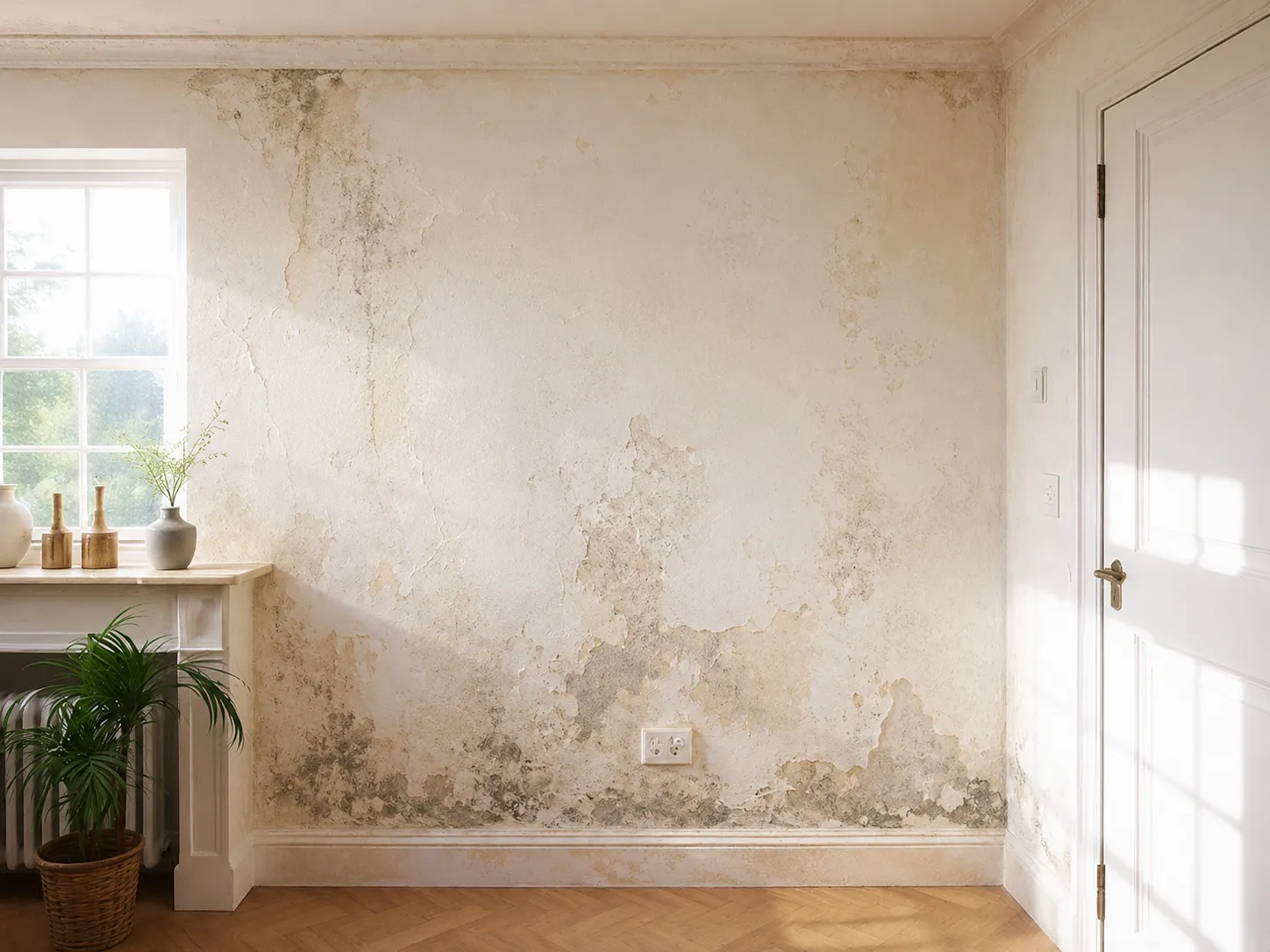
Water from a leaking walk-in shower travelled under the seamless vinyl floor covering and spread outwards over the solid floor, affecting almost all of the habitable rooms in this one-bedroom ground-floor flat.
Where a surveyor helps
Condensation, penetrating damp, rising damp, a plumbing leak and bridged construction can all leave mould behind. Establishing which one is present decides every decision after it.
Moisture meters, thermal imaging and humidity readings trace the water back to its source rather than treating whichever wall happens to look worst.
Water spreads under floor coverings and through construction, so the room showing the mould is not always the room with the defect in it.
We measure extract rates, airflow and surface temperatures instead of assuming a fan works because it makes a noise.
We are consultants, not contractors, and we do not sell mould treatments, ventilation systems or remedial work. The recommendation reflects what the building needs.
Common questions
The term mould describes fungi that thrive in damp conditions. There are thousands of different mould species found in the home, and the most serious are those that release mycotoxins.
Mycotoxins are extremely harmful poisons, which can be inhaled, eaten or absorbed directly through the skin. They can lead to poisoning, and in the long term can cause certain cancers and immunosuppression-related illnesses. Asthma and other severe respiratory conditions can also be triggered.
The first step is to identify and remedy the source of moisture. Mould treatments can only address the symptoms of dampness, not the underlying causes, which need to be properly understood and often require an independent chartered building surveyor who specialises in building pathology to investigate. Alongside that, remove mould promptly and daily, using mould and mildew cleaning products on hard surfaces and leaving them to dry completely.
Mould and mildew cleaning products are more effective and safer than bleach for hard surfaces. Whichever product you use, leave the surface to dry completely afterwards, and lock the products away out of the reach of children as they can be very harmful if ingested.
Mould removal itself presents a health risk. Wear protective clothing such as gloves, a mask and goggles, keep doors shut so spores do not spread, and keep windows open for ventilation while you work.
Larger areas of mould — a substantive part of a whole wall or ceiling — should only be addressed by qualified professionals. Absorbent materials such as carpets, soft furnishings and ceiling tiles might also need specialist cleaning, and it may be difficult or impossible to remove the mould from them completely.
Tell your landlord or managing agent about any mould that is causing you concern. Keep a dated record of what you have reported along with photographs of the affected areas, and continue removing surface mould safely in the meantime.
Find the source
We measure moisture, temperature and airflow together, so you find out where the water is actually coming from — before spending on a treatment that only addresses the symptom.
Keep reading
Common questions
Damp, mould, structural cracks, roof repair costs, new-build snags and choosing the right survey — thirteen questions in one place.
Read MoreEnergy efficiency
Where heat escapes, which insulation measures repay the outlay, and indicative costs and annual savings.
Read MoreEnergy efficiency
What retrofit covers, the fabric-first order of work, and the moisture risks to plan for before spending.
Read More