Every answer starts with the short version, then the detail. Nothing here replaces an inspection of your own property, but it should tell you whether one is worth arranging.
Usually, yes. A Level 2 survey costs a few hundred pounds, while the defects it commonly finds, such as roof repairs, damp or structural movement, can cost thousands to put right. The report lets you renegotiate, ask the seller to fix problems before exchange, or walk away before you are legally committed.
A mortgage valuation is carried out for the lender and does not assess the condition of the property in detail.
The older, larger or more altered the property, the stronger the case for a Level 3 building survey.
The three standard house surveys are Level 1, a basic condition report for newer conventional homes; Level 2, the HomeBuyer-style survey for most homes in reasonable condition; and Level 3, a full building survey for older, larger, altered or visibly defective properties. Each level inspects in more depth and explains more about causes and repairs.
The three levels of house survey compared
Survey level
Suits
What the report gives you
Level 1 condition report
Newer, conventional homes in good condition
Traffic-light condition ratings with little advice
Level 2 survey (HomeBuyer)
Conventional homes in reasonable condition
Condition ratings, visible defects, repair and maintenance advice
Level 3 building survey
Older, larger, extended or defective homes
Likely causes, urgency and repair options for each defect
A "type 3 survey" usually means a Level 3 building survey.
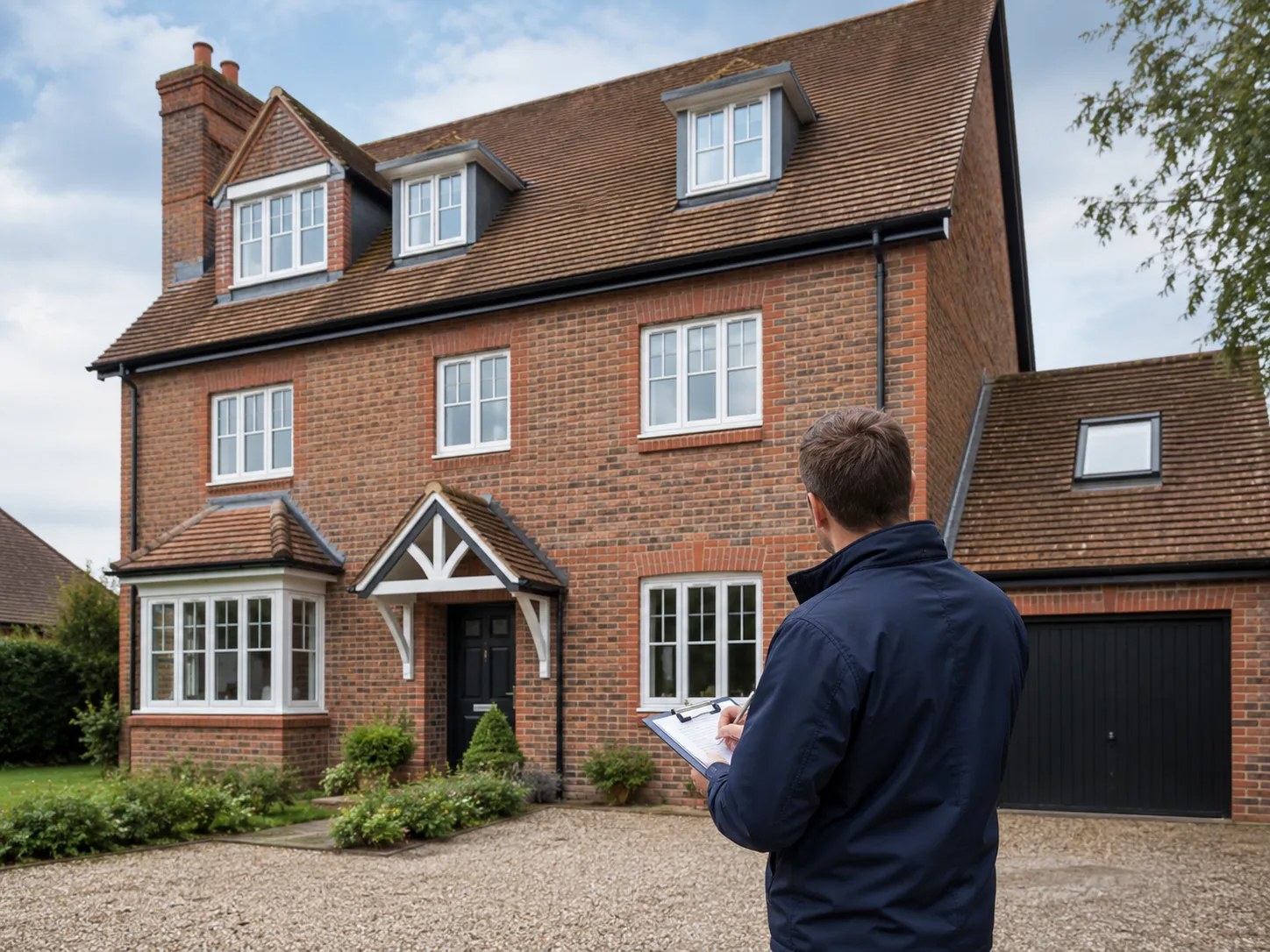
A survey tells you the condition of a property before you commit to buying it. A surveyor inspects the accessible parts of the building inside and out, rates the condition of each element, flags defects and risks such as damp, movement or roof wear, and advises what needs repairing, how urgently and what to investigate further.
It is not a valuation unless one is specifically added.
It is a visual, non-invasive inspection: floors are not lifted and walls are not opened up.
It gives you evidence to renegotiate the price or ask for repairs before exchange.
Choose the survey level that suits the property, then book it directly with an independent surveyor once your offer is accepted and before you exchange contracts. You will need the address, the estate agent's details and the agreed price. The surveyor arranges access with the agent and sends you the written report.
Book as soon as your offer is accepted, so the findings arrive while you can still renegotiate.
Survey costs depend on the level and size of the property; our Level 2 surveys start from £400, with the report within 48 hours.
The biggest red flags on a house survey are structural movement or subsidence, significant damp, roof defects, outdated electrics, timber rot or woodworm, Japanese knotweed and alterations without approval. Any item rated red, or marked for further investigation, needs a specialist quote before exchange, because it can affect the price, your mortgage or insurance.
Common red flags on a house survey and what to do next
Red flag
Why it matters
Next step
Cracking or movement
Can signal subsidence; affects insurance and lending
Structural engineer or crack monitoring
Damp and mould
Points to leaks, drainage or ventilation failures
Independent damp and mould survey
Roof defects
Repairs can run into thousands
Quotes from a roofing contractor
Old wiring
Safety risk, and rewiring is disruptive
Electrical installation condition report (EICR)
Rot or woodworm
Can weaken floor and roof timbers
Timber inspection
Japanese knotweed
Lenders may restrict lending
Specialist management plan
Alterations without approval
Missing planning or Building Regulations sign-off
Ask your solicitor to request the certificates
These are also the issues that most often devalue a house: a lender's valuer may reduce the valuation until they are resolved.
When should you walk away from a property after a survey?
Consider walking away when the survey reveals problems you cannot afford to fix, cannot get insured or mortgaged, or cannot properly price, such as active subsidence, extensive rot or knotweed close to the house, and the seller will not reduce the price or repair them. Until you exchange contracts, you can still withdraw.
Get specialist quotes for every red-rated item before you decide.
Ask the seller to reduce the price, repair before exchange or agree a retention.
Withdrawing before exchange carries no penalty, though fees you have already paid are not refunded.
Yes, a surveyor inspects every accessible room, along with the roof space, the outside of the building and the grounds. The inspection is visual and non-invasive, so they will not lift fitted carpets, move heavy furniture or open up walls. Any area they could not reach is listed in the report, with advice on further investigation.
On a Level 2 survey the roof space is usually inspected from the hatch; a Level 3 survey goes further into accessible areas.
Ask the seller to clear the loft hatch and leave keys for garages, outbuildings and locked rooms.
You can and should check a property carefully at viewings, but a DIY inspection is no substitute for a professional survey. A surveyor is trained to read the causes behind cracks, damp and roof defects, uses moisture meters and other equipment, and carries professional indemnity insurance, so you have recourse if something significant is missed.